Glenview, Illinois 60025


Can I Pursue Compensation for a Slip-and-Fall Accident on Snow or Ice?
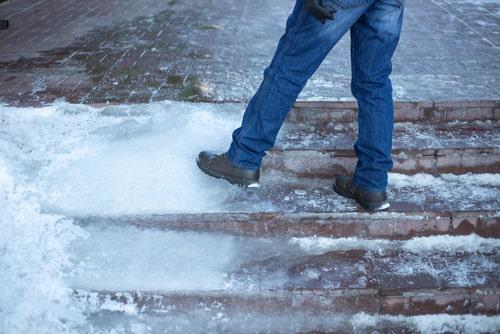
Winter in the Chicago area can be brutal. Heavy snow, freezing temperatures, and icy surfaces make falls common and dangerous. A bad fall can cause serious injuries like broken bones, torn ligaments, concussions, and back injuries. According to a CDC-backed study, about one-third of outdoor fall injuries in winter are linked to ice, snow, or rain. If you were hurt on someone else’s property in 2026, a Glenview, IL premises liability attorney at our firm can help you learn whether you have a claim.
Who Is Responsible When You Slip on Snow or Ice in Illinois?
The Illinois Snow and Ice Removal Act, 745 ILCS 75/2, gives limited protection in some residential cases when a person removes or tries to remove snow or ice from a sidewalk next to the property. The law applies to certain people responsible for residential property, including owners, lessors, occupants, and some agents or contractors.
The basic rule is this: if snow or ice built up naturally from a storm, the property owner is usually not liable. But if the snow or ice formed in a dangerous way because of something reckless the owner did or failed to do, they may owe you compensation. Whether your fall involves natural or unnatural accumulation is often the central issue in these cases.
What Is the Difference Between Natural and Unnatural Accumulation in an Illinois Slip-and-Fall Case?
Natural accumulation is snow or ice that builds up from weather alone, like snow from a storm or ice from freezing rain. Unnatural accumulation is snow or ice that formed in a dangerous spot because of something related to the property. This difference matters a lot because owners are generally not liable for natural accumulation but may be liable for unnatural accumulation.
Common examples of unnatural accumulation include:
-
A broken gutter dripping water onto a sidewalk that freezes.
-
A sloped parking lot that drains meltwater toward an entrance where it refreezes.
-
Plowed snow piled near a walkway that later melts and refreezes.
-
Building heat causes snow on nearby steps to melt and refreeze repeatedly.
If one of these situations caused your fall, the property owner may be on the hook even though the weather played a role. An attorney can review your situation and tell you whether it qualifies.
Does the Location of Your Fall on the Property Affect Your Illinois Slip-and-Fall Claim?
Illinois courts have found that the Snow and Ice Removal Act does not always protect property owners when a fall happens away from a traditional sidewalk. In a 2018 case, an Illinois appeals court ruled in favor of a woman who fell in a parking area behind a Chicago condo building. The court found that because the area was not a standard public sidewalk, the condo association could be held responsible. If your fall happened in a parking lot, driveway, or similar area, the owner may not be shielded from a claim even if they did some snow removal.
Can a Store or Business Be Held Responsible for an Icy Parking Lot in Illinois?
Stores, shopping centers, and office buildings must follow the Illinois Premises Liability Act, 740 ILCS 130/, which requires them to keep their property reasonably safe for customers. If a business knew about icy conditions and did nothing about them for a long time, it may be liable for injuries that result. The two key questions are how long the ice was there and what steps the business took to deal with it. A business that ignores a known hazard for hours is in a very different spot than one dealing with ice that has just formed.
What Steps Should You Take After a Winter Slip-and-Fall in Illinois?
The steps you take right after a fall can affect your ability to get paid for your injuries. If you are able to do so in 2026, take photos of the scene right away, report the fall to the owner or manager, and get a written record, and see a doctor even if you feel fine. Some injuries, like concussions and back problems do not show up right away, and delaying treatment can also hurt your claim. Keep the shoes you were wearing, since they can come up if the owner argues your footwear caused the fall. Illinois gives you two years to file a personal injury claim under 735 ILCS 5/13-202, so contact a slip-and-fall attorney as soon as you can.
Common Questions Illinois Residents Ask About Snow and Ice Slip-and-Fall Cases
After a winter fall on someone else’s property, many people have the same questions. Here are answers to two of the most common ones.
What kinds of damages can I recover after a slip-and-fall on ice in Illinois?
You may be able to recover medical bills, lost wages, and compensation for pain and suffering. The amount depends on how serious your injuries are and how long your recovery takes.
Can I still get compensation if I was partly at fault for my fall?
Illinois uses a rule called modified comparative fault. You can still recover money as long as you were less than 51 percent at fault. Your payout is reduced by how much you were at fault. For example, if you were 20 percent at fault and your damages total $50,000, you would get $40,000. Talk to an attorney before you assume you have no case.
What if the owner says the ice just formed and they had no time to fix it?
This is a defense owners often use. Whether it works depends on how long the ice was there and how easy it was to see. An attorney can help you dig up evidence like maintenance logs or security footage to push back on that claim.
Schedule a Free Consultation with a Glenview, IL Premises Liability Attorney
A winter slip-and-fall can leave you with serious injuries, missed work, and growing medical bills. You should not have to face that alone. That is where the experienced Cook County, IL premises liability lawyers at Gruzmark Law, Ltd. come in. We offer free consultations and speak Russian and Mongolian. Call 847-729-7660 today.

1701 East Lake Avenue, Suite 200,
Glenview, Illinois 60025


Glenview, Illinois 60025847-729-7660

Contact Our Firm
 The use of the Internet or this form for communication with the firm or any individual member of the firm does not establish an attorney-client relationship. Confidential or time-sensitive information should not be sent through this form.
I have read and understand the Disclaimer and Privacy Policy.